Zurich's Integration of Self-Exclusion Tools with Mobile Payment Options Under Swiss Gambling Statutes
Noah Schröder · Sep 12, 2026
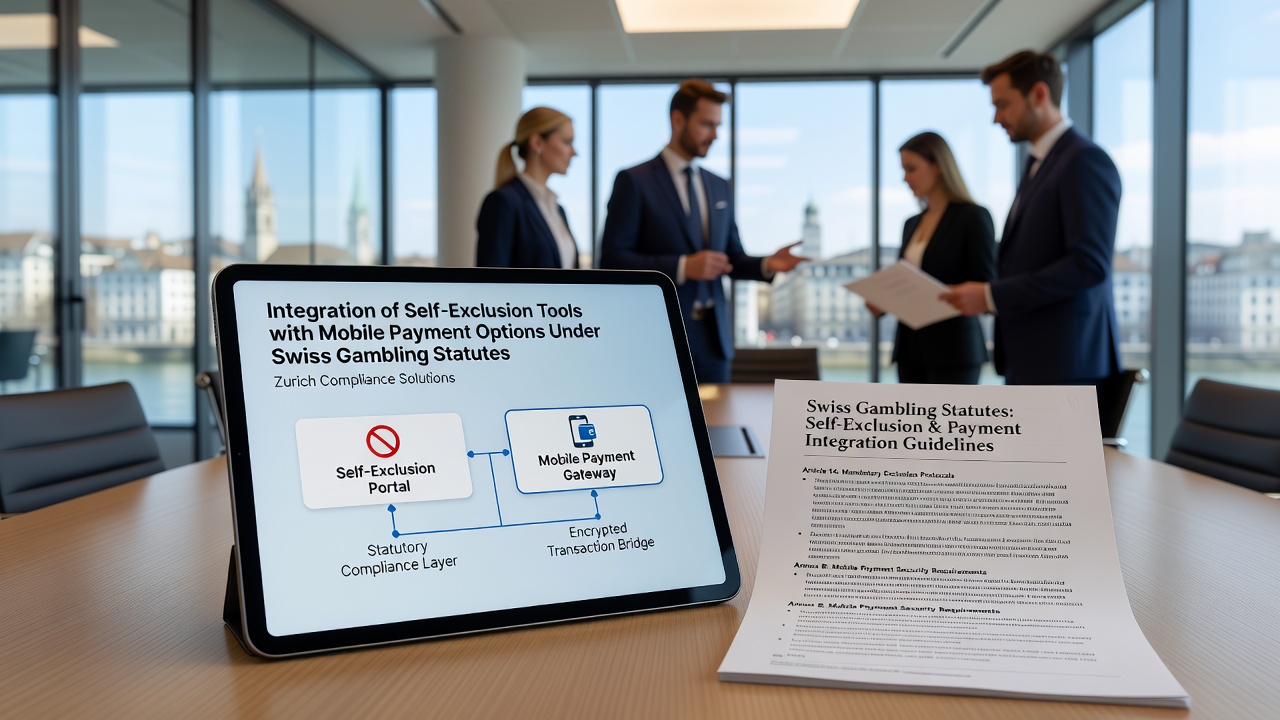
Zurich's Integration of Self-Exclusion Tools with Mobile Payment Options Under Swiss Gambling Statutes
Swiss gambling statutes establish clear requirements for operators to implement self-exclusion programs that connect directly with payment systems, and Zurich has aligned its local frameworks with these national rules since the Federal Act on Gambling took effect in 2019. The integration allows licensed platforms to block deposits from users who have registered for exclusion periods, using mobile payment gateways that verify status in real time before any transaction processes. Cantonal authorities in Zurich oversee compliance through regular audits, ensuring that payment processors such as those handling Twint or card-based mobile transfers cross-reference exclusion databases maintained by operators.
Core Provisions of the Federal Act on Gambling
The Federal Act on Gambling mandates that all licensed providers maintain self-exclusion lists and prevent excluded individuals from accessing funds transfer functions on mobile applications, while Zurich's regulatory bodies enforce these rules through coordination with the Swiss Federal Gaming Board. Operators must update their systems to recognize exclusion flags at the payment authorization stage, which reduces the window between registration of exclusion and actual account restrictions. Data from the Swiss Federal Office of Justice shows that such measures apply uniformly across cantons, with Zurich reporting consistent adherence rates in annual compliance summaries published through 2025.
Technical Linkages Between Exclusion Registers and Mobile Payments
Mobile payment options in Zurich connect to centralized exclusion registers via API protocols that query user status during deposit attempts, and this setup complies with statutory demands for immediate blocking once an exclusion request activates. Payment providers integrate these checks into their authorization flows, so that a user who selects a mobile wallet sees the transaction decline automatically if their account matches an active exclusion entry. Researchers at institutions tracking regulatory technology note that these connections rely on encrypted data exchanges between operators and financial intermediaries, maintaining privacy standards outlined in the Gambling Act while fulfilling verification duties.
Operational Practices in Zurich Casinos and Online Platforms
Zurich-based platforms apply these integrated tools by requiring users to confirm their exclusion status before funding accounts through mobile channels, and licensed operators conduct periodic tests to confirm that blocked transactions align with statutory timelines. The process involves cross-checking against both voluntary self-exclusion lists and court-ordered bans, with payment gateways logging each verification attempt for audit purposes. Observers note that Zurich's approach incorporates real-time updates from the national exclusion database, allowing changes made in one canton to reflect instantly across mobile sessions regardless of location.
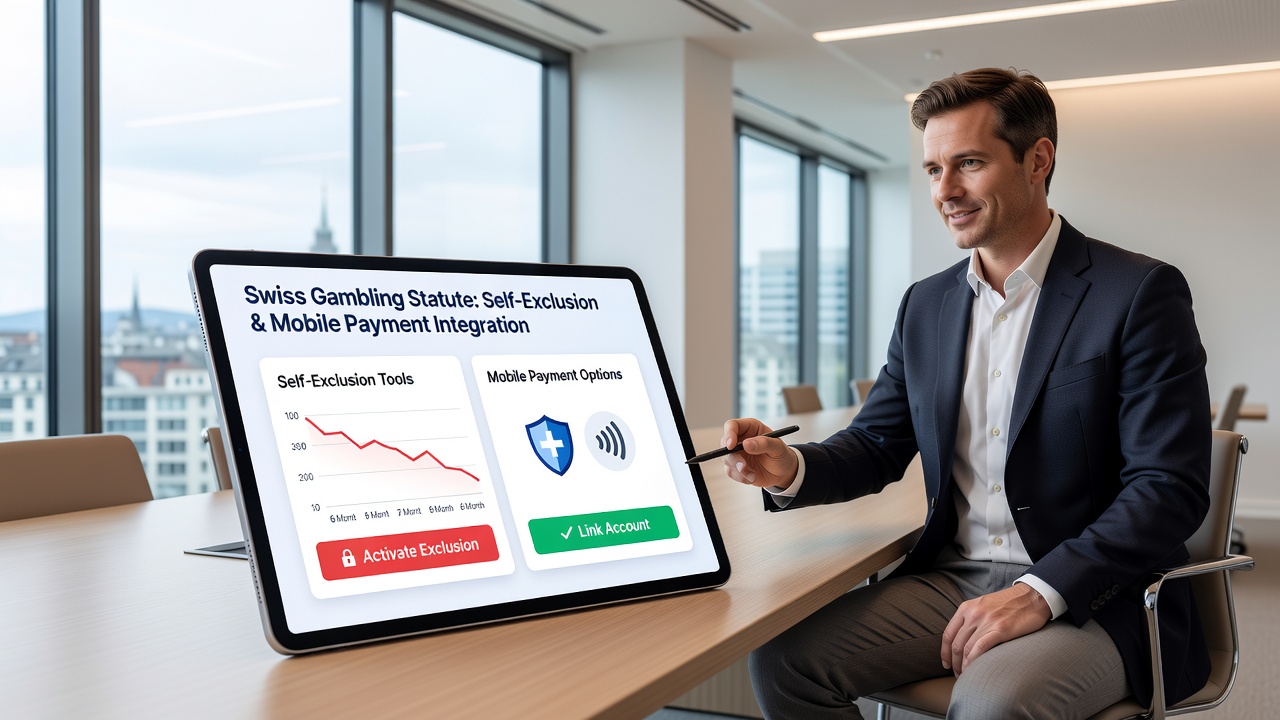
Payment security protocols under Swiss law require that mobile applications display clear notices when exclusion prevents a transaction, and Zurich operators have adopted standardized messaging that directs users toward support resources without revealing sensitive details. Figures from industry reports indicate that integration has streamlined enforcement, as payment blocks now occur at the source rather than after funds reach gaming accounts. This method supports the statute's emphasis on prevention through technical controls.
Developments Scheduled for September 2026
Updates planned for September 2026 introduce enhanced API standards that further synchronize self-exclusion data with emerging mobile payment methods, including those tied to digital wallets and instant bank transfers used in Zurich. The Swiss Federal Council has outlined these changes to address gaps identified in prior reviews, requiring operators to incorporate additional verification layers during high-volume transaction periods. Regulatory documents specify that Zurich platforms must complete system upgrades by the deadline, with testing phases beginning in early 2026 to ensure uninterrupted service for non-excluded users.
Compliance Monitoring and Reporting Requirements
Cantonal supervisors in Zurich conduct quarterly reviews of payment-exclusion linkages, examining transaction logs and exclusion match rates to verify statutory alignment. Operators submit detailed reports that include metrics on blocked deposits and response times, which feed into national databases maintained under the Gambling Act. External evaluations from research organizations such as the Canadian Centre on Substance Use and Addiction have examined similar integration models, providing comparative data that Swiss authorities reference during policy refinements.
Broader Context Within European Regulatory Trends
Swiss statutes position Zurich's payment integrations alongside frameworks in other jurisdictions, where similar tools appear in reports from bodies like the Australian Communications and Media Authority on digital safeguards. These parallels highlight how exclusion registers interact with mobile finance systems to meet legal obligations across borders, though Swiss implementations retain distinct cantonal oversight elements. Zurich continues to adapt its procedures as national guidelines evolve, focusing on data accuracy and transaction reliability.
Conclusion
The integration of self-exclusion tools with mobile payment options in Zurich operates under the structured requirements of Swiss gambling statutes, delivering automated blocks that align with federal and cantonal expectations. Scheduled enhancements in September 2026 will refine these connections further, building on existing verification processes that already link exclusion status to deposit authorizations. Compliance data and technical standards continue to guide operator practices, ensuring that payment systems support the preventive goals embedded in the legislation.